
Understanding Alcohol Use Disorder and Recognizing the Signs
A lot of people who develop alcohol use disorder did not see it coming. Drinking started as something social or manageable, and somewhere along the way, the brain adapted to it. Your nervous system starts to expect alcohol to regulate mood, stress, and sleep. When you stop, it struggles to find balance on its own, and withdrawal symptoms are the result.
Spotting the problem is harder when drinking has been part of your routine for a long time. Most people do not wake up one day and decide to become dependent. The shift happens gradually, and the physical dependence is already there by the time it becomes obvious. If any of the following apply to you, it may be time to seek help:
- Drinking more frequently or in larger amounts than intended
- Failed attempts to cut back or stop drinking
- Blackouts or memory loss after drinking
- Needing more alcohol to feel the same effect
- Irritability, anxiety, or depression when not drinking
- Isolation from loved ones or responsibilities
- Continuing to drink despite negative consequences
These signs are worth paying attention to regardless of how long drinking has been going on. Dependence does not only look like daily heavy use. It shows up in the pattern of trying and failing to stop, and in the anxiety when you cannot drink. If someone you care about is not ready to ask for help, our intervention services can help you approach the conversation.

Long-Term Health Risks of Alcohol Dependence
Leaving alcohol dependence untreated can lead to serious and lasting health consequences. Prolonged alcohol use increases the risk of liver disease, heart problems, cognitive decline, mood disorders, and certain cancers. According to the Centers for Disease Control and Prevention (CDC), excessive alcohol use also contributes to long-term conditions that affect overall quality of life and physical stability.
Beyond physical health, ongoing alcohol use can disrupt relationships, strain finances, and interfere with work or daily responsibilities. Some effects improve with sobriety, but others can become permanent over time. The earlier someone gets into alcohol withdrawal treatment in New Jersey, the better the odds of limiting long-term damage. Early intervention creates an opportunity to restore stability before more serious consequences set in.
Why Medical Detox Is Necessary for Alcohol Addiction
What makes alcohol withdrawal different from most substances is how dangerous it can be without management. Stopping suddenly puts real stress on the nervous system. For people with heavy long-term use, that can mean seizures or delirium tremens. Heart rate, blood pressure, and neurological function can all shift in ways that need clinical attention. Medical alcohol detox in New Jersey means a team is watching those numbers and responding before something becomes a crisis.
Symptoms can come on fast, and the window between uncomfortable and medically serious can close quickly. Having professionals nearby means complications get caught early rather than going unmanaged. Inpatient alcohol detox in New Jersey includes continuous monitoring and medication when appropriate to reduce discomfort and risk. Getting through the highest-risk window with support in place is what sets you up for the recovery work ahead.

Alcohol Withdrawal Timeline
Alcohol withdrawal does not follow a fixed schedule, and symptoms vary based on health history, drinking patterns, and length of use. Withdrawal often progresses through recognizable stages, allowing medical teams to anticipate risks and respond in time. Understanding those stages helps set realistic expectations for what the process involves. While the experience differs for everyone, withdrawal generally follows this pattern:
- 6–12 hours after last drink: Early symptoms begin. These might include nausea, headache, anxiety, and insomnia.
- 12–48 hours: Symptoms intensify. Some individuals may experience tremors, sweating, high blood pressure, and confusion.
- 48–72 hours: This is often the most dangerous period. Seizures or delirium tremens may occur, which require immediate medical intervention.
- Day 4 and beyond: Physical symptoms gradually subside, although emotional and psychological symptoms like depression or cravings may persist. This stage often signals the need for continued treatment beyond detox.
What makes this timeline manageable is having a medical team present at every stage. Medical alcohol detox in New Jersey means your vital signs are tracked continuously, and any escalation is caught before it becomes a crisis. The 48 to 72-hour window carries the highest risk. Supervised care makes the most difference during that window. Without clinical oversight, most people cannot safely get through it on their own.

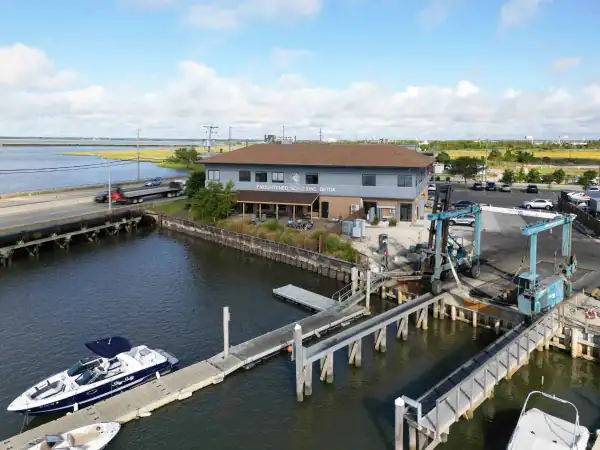
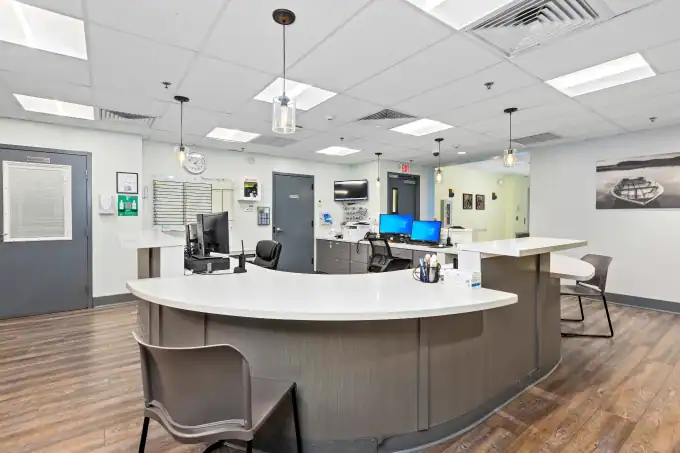





What to Expect During Alcohol Detox in Atlantic City, NJ at Enlightened Recovery
Alcohol detox begins with a full medical and clinical assessment at admission. We review your health history, substance use patterns, and any co-occurring mental health concerns before building your care plan. Clients receive continuous medical monitoring and nursing care, along with medication-assisted treatment when clinically appropriate. Your plan is adjusted throughout based on how your body is responding. Alcohol withdrawal treatment in New Jersey at this level of care means you are not managing the hardest part alone.
Beyond the medical piece, emotional support is part of care from the start. Trained staff is available for daily check-ins. The routine of a monitored setting helps reduce anxiety in the early days of withdrawal. Group therapy is available during detox to provide peer connection and reduce the isolation that often intensifies withdrawal. Holistic therapies, including mindfulness, movement, and stress reduction techniques, are also integrated into care to support emotional regulation alongside medical stabilization.
Continuing Care After Alcohol Detox
Completing medical alcohol detox in New Jersey is a significant first step, but the work of recovery continues beyond stabilization. Detox addresses the physical piece, but the underlying patterns contributing to drinking need continued attention. Our sister facility in Egg Harbor, NJ offers a full continuum of care through Enlightened Recovery, including residential and outpatient programs. Our team can help coordinate that transition before you leave, so there is no gap in care.
