
Your Recovery Starts With One Step
Confidential support available 24/7. Most insurance plans accepted — check yours in under a minute.
Confidential support available 24/7. Most insurance plans accepted — check yours in under a minute.
Withdrawal is physically demanding, and medical oversight is not optional when the risks are this serious. Our licensed medical team builds a personalized plan from day one, accounting for substance history, overall health, and emotional background. Our medical detox in Atlantic City, NJ combines round-the-clock clinical attention with honest, steady presence for each person going through it. We make sure you move through this process safely, with a knowledgeable team present every step of the way.
24/7 Medical Supervision




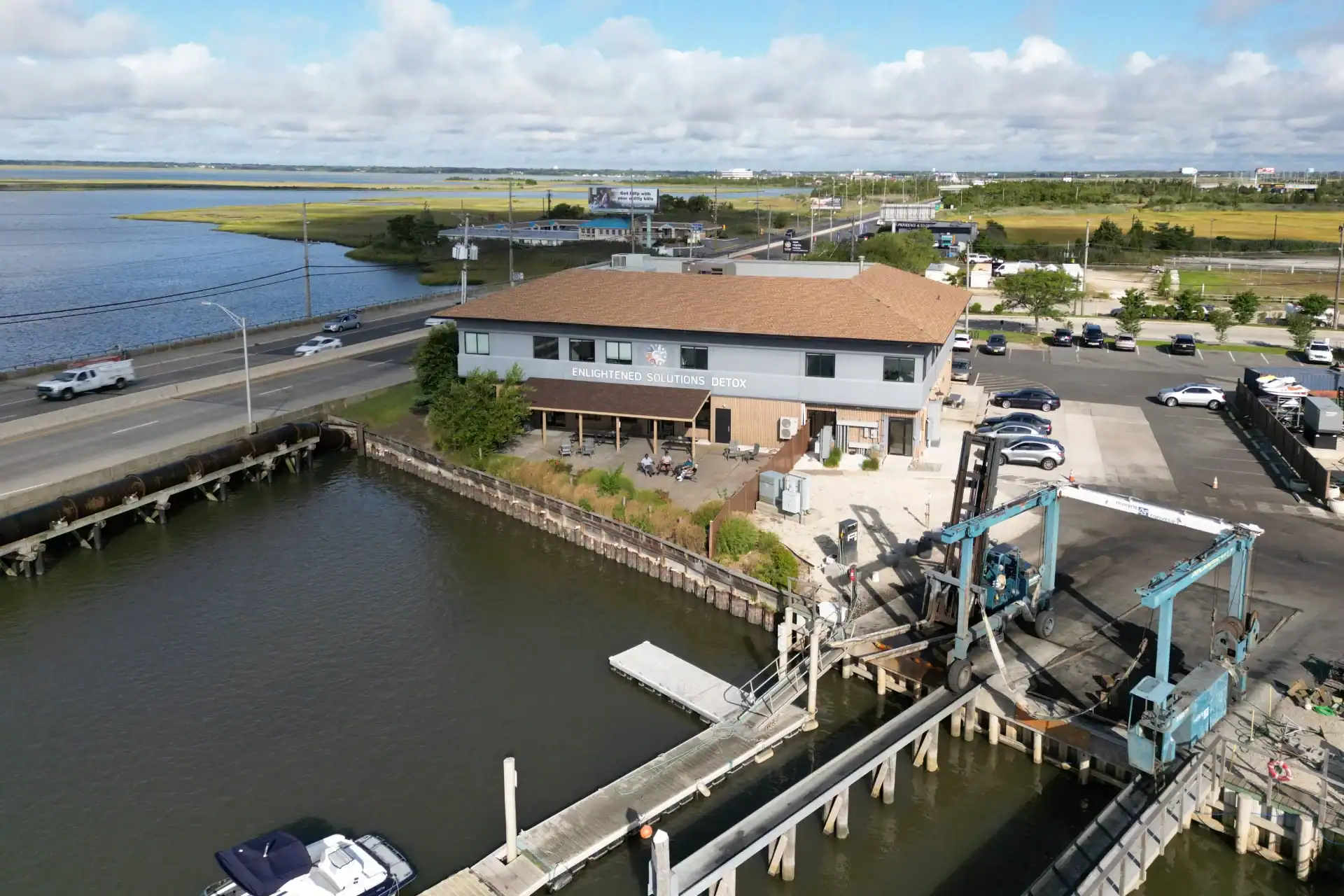
Every journey of recovery is different, but for many, the first vital step starts with detox—a process that can feel overwhelming yet holds the promise of a healthier, brighter future. At Enlightened Recovery Detox, located near Atlantic City, we provide medical detox services that are as safe as they are supportive, designed to ease your transition from dependency into a life of freedom, stability, and hope.
We know you might feel unsure—maybe even frightened—about what lies ahead. If you’re exploring medical detox options, it’s likely that you or a loved one are carrying the weight of substance use that feels too heavy to bear alone. Please know this: you are not alone, and recovery is absolutely within reach. Our compassionate medical and therapeutic team is ready to meet you exactly where you are and walk alongside you, one steady, supportive step at a time.
Medical Detox in Atlantic City with Enlightened Recovery Detox more than just clinical care—it’s a gateway to holistic healing, personalized to you.
At Enlightened Recovery Detox, every recovery journey is unique. Hear from real people who took their first step with us—and found strength, support, and lasting change along the way.
Posted on GoogleTrustindex verifies that the original source of the review is Google. I went to enlightened on October 8th 2023 and I’ve been clean ever since! I’ve been in and out of detoxes and rehabs and I never really got it right cus I wasn’t serious, however I came here at my lowest I’ve ever been in my life! I felt barely human, my drug of choice was fentanyl so you could imagine the rough shape I was in, I weighed as much as I did in middle school when I went in and I was 27 at the time, but anyways, I went in with my face looking to my feet cus I was so ashamed to even look anyone in the face and the people there were so kind the techs and nurses and staff treated me with such kindness I’ve never experienced in my life and especially the people who did my intake the one guy with the beard I forgot his name but I’ll never forget that he told me “ look at me don’t look at your feet, it’s okay bro it’s okay you don’t need to be ashamed your here and everybody here is like you too” he really welcomed me and I really appreciate that and I’ll never forget that this place got me back up got my strength back up and the beds and rooms are nice tvs in each room, even the other patience everyone was cool, nobody had a problem with anybody and the groups weren’t boring like some places might be, this was the only detox I was in every single group because it was the first time I had a good time without getting high, my casr manger and therapist were chill and took care of my disability with my job, this place is really god sent, I know it’s almost 2 years since I was there but I really had to thank them and make this review cus I don’t believe I would still be here if it wasn’t for all of them, thank you enlightened solutions I won’t waste the opportunity you guys gave me back in life thank you, Bernard M.Posted on GoogleTrustindex verifies that the original source of the review is Google. Amazing detox with great people running it. I’ve unfortunately been to many rehabs in NJ and can say that Enlightened Recovery was one of the best. Not even comparable to most of the places out there. Incredibly comfortable facility with great staff who all seem to be there for the right reason. House keeping, chef/kitchen, techs, and management were so caring and helpful it’s like night and day compared to most other detoxes/rehabs. They put up with a lot of my shenanigans, and time after time they were still caring and tried to help. I just wasn’t ready at the time but can gladly say I have just over 5 months now. If you’re looking for the place this is it.Posted on GoogleTrustindex verifies that the original source of the review is Google. I’m unable to attend enlightenment (although I’ve heard great reviews about them from other people) because they don’t accept my insurance unfortunately. Brian from intake was absolutely wonderful and went out of his way to help answer my questions and help me on my journey to finding help. I can’t understate how empathetic and supportive he was, thank you Brian.Posted on GoogleTrustindex verifies that the original source of the review is Google. I’ve been here more than once (unfortunately on my part) but every single time I’ve been, I’ve been treated by the most gentle kind and caring staff. The facilities are comfortable and clean, the food is healthy and filling, the nursing is very caring and ran well, and the techs truly care about the clients who come in. Same for the counselors, who truly want to see people do well and recover their lives. The facility is also beautifully located and many of the rooms provide beautiful, calming views of the water. My only three suggestions: if you think you need to go, go. Second, listen to the suggestions and advice given to you here; they care and much of the staff is in recovery themselves so they understand. And finally, go to aftercare if you can. It’s so necessary to not just stabilize your physical health in detox, but get ahold of the mental/emotional causes behind addiction in aftercare.Posted on GoogleTrustindex verifies that the original source of the review is Google. Absolutely love Enlightened; they helped save my life and began my journey into sobriety. They educated and engaged with me during the entire process. The staff was wonderful and caring, they provided great insight into holistic practices. They provided compassion and understanding. A clean, healthy diet was provided to aid in healing. The facility is beautiful.Posted on GoogleTrustindex verifies that the original source of the review is Google. I was there in May and would tell anyone to go there.Its so clean and healthy food.The staff is awesome.James/Alisa/Lexi/Sam(nurse)/The Techs=Scott/Linda/Mona/Lexi/Troy/all were so caring.Posted on GoogleTrustindex verifies that the original source of the review is Google. I have my mom back. She fought alcoholism my whole childhood. She feels so much better, looks healthier and sounds amazing. I couldn’t thank this place enough!Posted on GoogleTrustindex verifies that the original source of the review is Google. Enlightened solutions really care about their patients I wouldn’t have been able to get sober without them. The entire process was amazing and I was well looked after.




Detoxification is the process of removing substances from the body under medical supervision, and it carries serious physical risks for many people. Stopping alcohol, opioids, benzodiazepines, or stimulants without a doctor present can trigger seizures, severe dehydration, heart complications, or a mental health crisis. Without proper medical oversight, withdrawal can quickly become a life-threatening situation. Our team stays close throughout because the risks are real and the window to respond can be narrow.
Every plan accounts for what substances were used, how long someone has been using them, physical health, and personal background. Round-the-clock monitoring allows the team to catch problems early and adjust before anything worsens. When the body needs extra help stabilizing, medication-assisted options reduce suffering and keep the process moving safely. A well-managed detox does more than move someone through withdrawal. It gives them a real chance at what comes after.
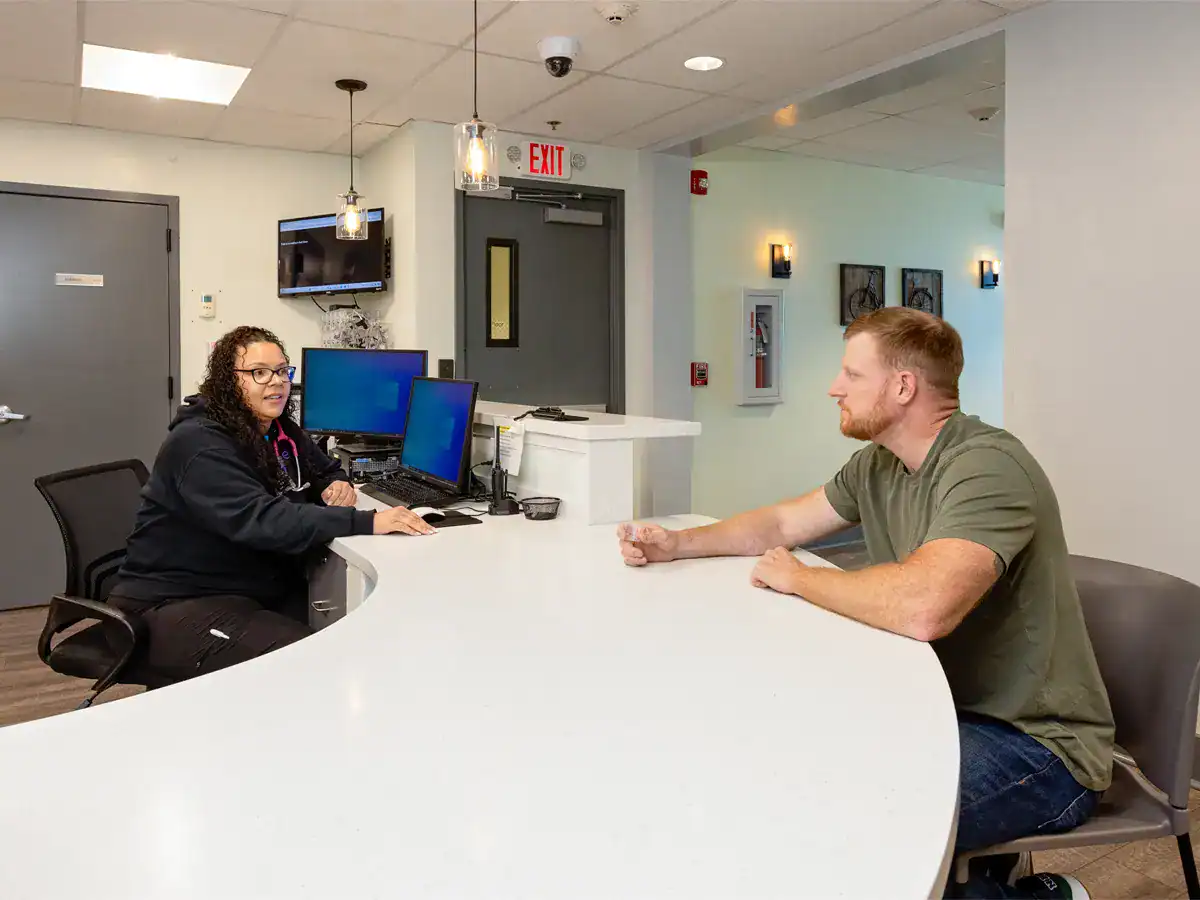

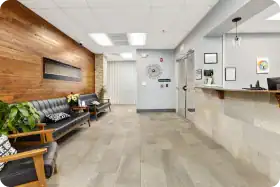
So, what can you expect when you choose medical detox near Atlantic City with us? Here’s a breakdown of how we provide safe, compassionate care from start to finish:
Before we do anything, we start by understanding where you are. This step involves a medical and psychological evaluation—including a review of your substance use history, physical health, and emotional well-being. This assessment allows us to design a care plan centered around your goals, not a one-size-fits-all template.
No journey is the same, which is why we create tailored detox protocols based on your needs, the substances involved, and your dose/frequency of use. For alcohol detox or benzodiazepine detox, for instance, a gradual taper paired with symptom-stabilizing medications may be used to prevent severe complications like seizures or delirium tremens.
Withdrawal symptoms can range from mild (nausea, restlessness) to severe (hallucinations, seizures), depending on the substance involved. Our team provides constant medical supervision to monitor your vitals, prevent complications, and help you feel as comfortable as possible.
Detox is the first chapter, not the whole story, of recovery. When you’re ready to transition, we work closely with you (and your family, if appropriate) to create a personalized aftercare plan, helping you continue your journey through inpatient treatment, outpatient care, or sober living.
Different substances put different demands on the body, and each one carries its own risks and withdrawal timeline. Alcohol, benzodiazepines, cocaine, fentanyl, heroin, methamphetamine, opiates, and stimulants all require distinct clinical protocols to manage withdrawal safely. Before you arrive, our admissions team reviews your history so the appropriate protocol is in place from day one.
Every plan includes continuous assessment and adjustment to minimize discomfort and prevent complications during withdrawal. Our clinical team monitors each person closely and modifies the approach as symptoms evolve throughout the process. When appropriate, medication-assisted options help manage cravings and reduce the risk of relapse. Getting this phase right requires both precision and attentiveness, and our staff brings both to every shift.
The programs below outline what we offer for each substance:
You do not have to navigate this alone. Whether you are considering detox or just exploring your options, we are here to listen and guide you—without pressure or judgment. At Enlightened Recovery Detox, our team is ready to answer your questions and support you in taking that first step when you are ready.
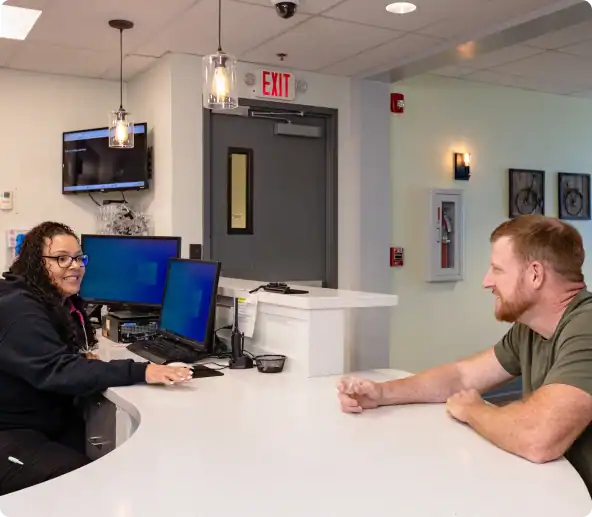
Many people entering detox do not rely on just one substance. Polysubstance use involves combining alcohol, prescription medications, or multiple illicit substances, and it adds real complexity to the withdrawal process. The interactions between substances can intensify symptoms or lead to complications that require immediate medical attention. Without experienced oversight, this type of withdrawal can become dangerous very quickly.
Our physicians are trained to identify these interactions and build protocols that keep you safe and stable throughout. Close monitoring allows the team to adjust the approach in real time and head off avoidable complications. No two situations look the same, and our staff draws on extensive clinical experience to respond with precision. Every person who arrives with multiple substances in their system gets a plan built around that specific combination. A generic protocol simply does not cover it.
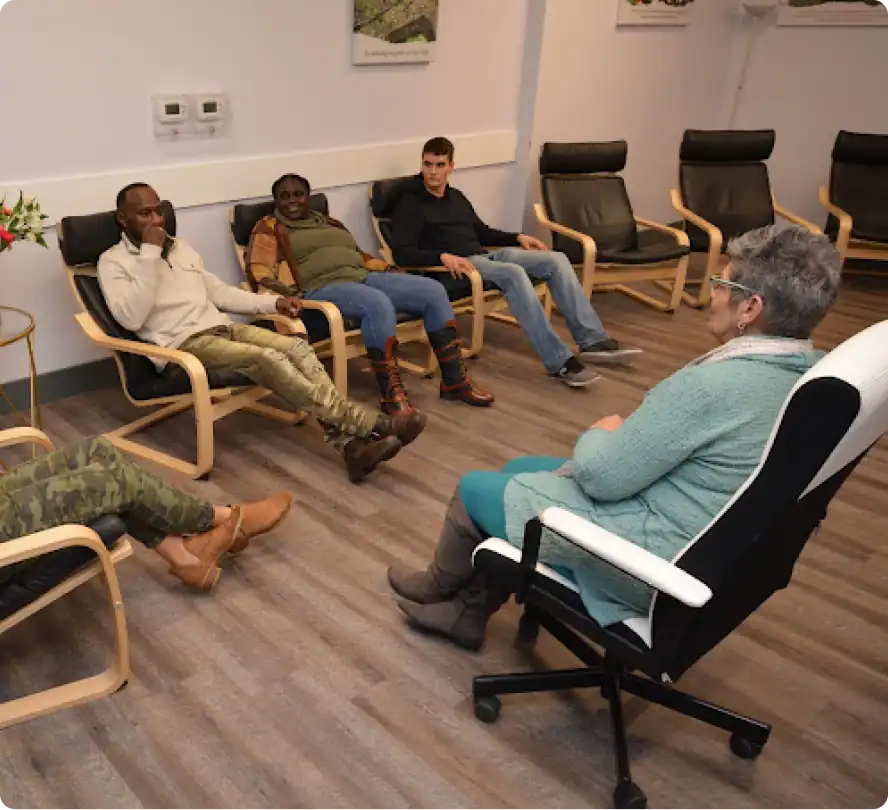
Medical supervision is central to how we run detox here. You receive 24-hour attention from licensed physicians, nurses, and behavioral health technicians who are prepared for immediate intervention if complications arise. Having a licensed team present at all hours means someone is always watching and adjusting as your body moves through withdrawal. You are never left to navigate what comes up on your own.
Our team monitors vital signs, hydration levels, and neurological status throughout your stay. They also administer prescribed drugs that ease discomfort and protect against severe reactions. For those withdrawing from opioids or alcohol, FDA-approved medications used in MAT reduce withdrawal risk and improve safety overall. Mood-related shifts are observed closely as well, since anxiety, depression, and emotional volatility are common in the early days. The clinical team reviews your status each day and adjusts the plan to keep you stable and as comfortable as possible.
We work with most major insurance carriers to help provide affordable, accessible treatment options to those who need it most. Our admissions coordinators can answer all of your questions. Call for a confidential assessment and insurance verification.








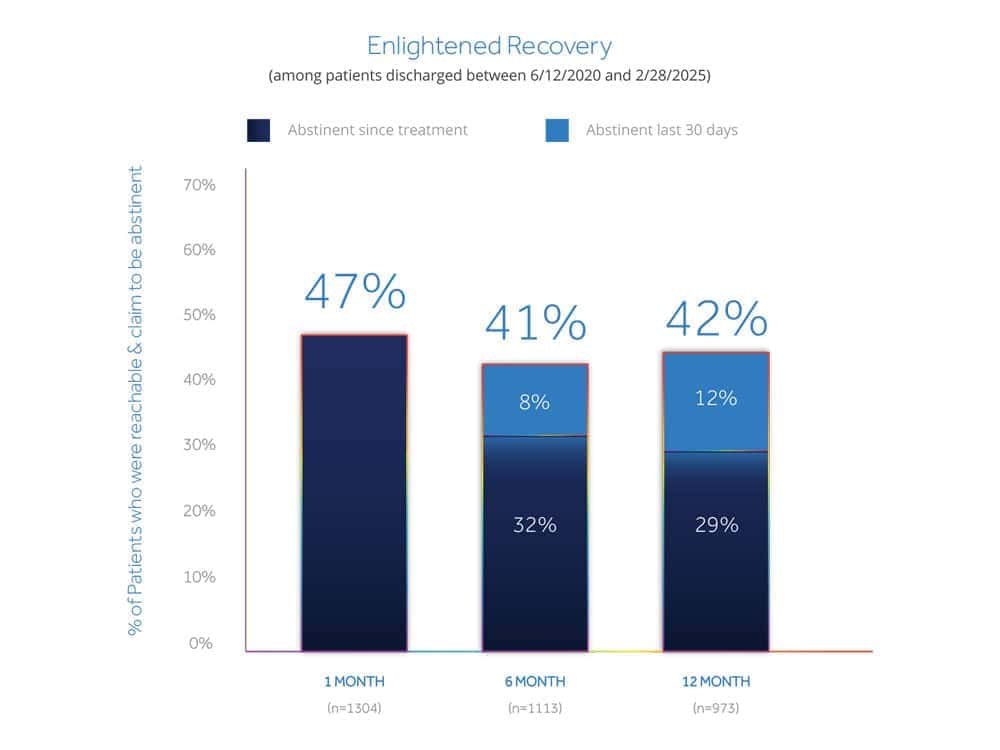
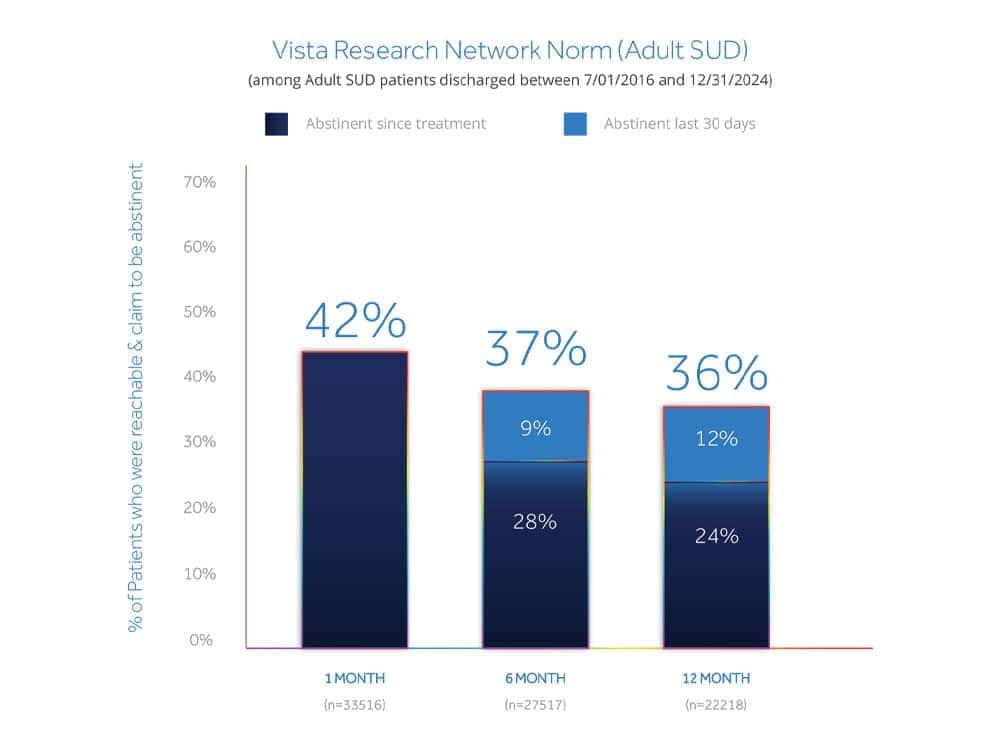
Independent outcomes research shows that clients completing treatment at Enlightened Recovery maintain higher abstinence rates than the Vista Research Network’s national benchmark — at 1 month, 6 months, and 12 months post-treatment.
At Enlightened Recovery, we combine clinical expertise with holistic healing to treat the mind, body, and spirit—not just the addiction. Our personalized treatment model blends evidence-based therapies with wellness-focused services to support long-term recovery.
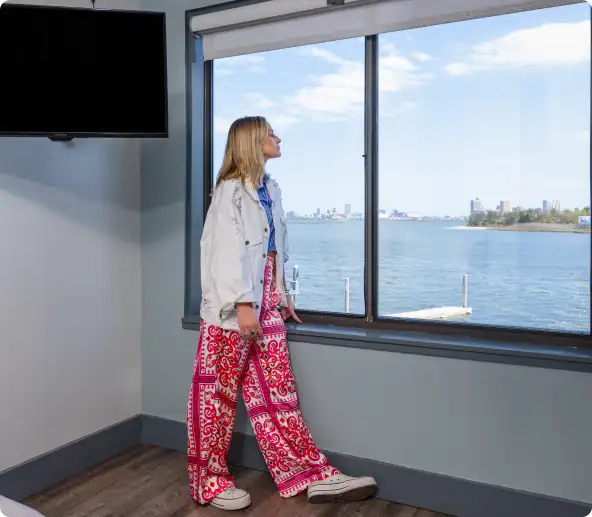
Substance use rarely occurs apart from other mental health concerns. Many who arrive at our center also live with depression, anxiety, PTSD, or bipolar disorder. Those mental health conditions stay active throughout withdrawal. Our team incorporates mental health assessments into every admission and addresses psychological symptoms alongside the physical aspects of withdrawal. Approaching the whole person from the start leads to more stable outcomes and a stronger base for ongoing healing.
Choosing detox programs in New Jersey that understand the relationship between substance use and mental health makes a real difference during withdrawal. Our integrated approach helps reduce the risk of destabilization and prepares each person for the therapeutic work ahead. We work to begin restoring emotional balance from day one, so you leave feeling grounded and not depleted. Addressing both dimensions at the same time leads to a stronger start for whatever comes next.
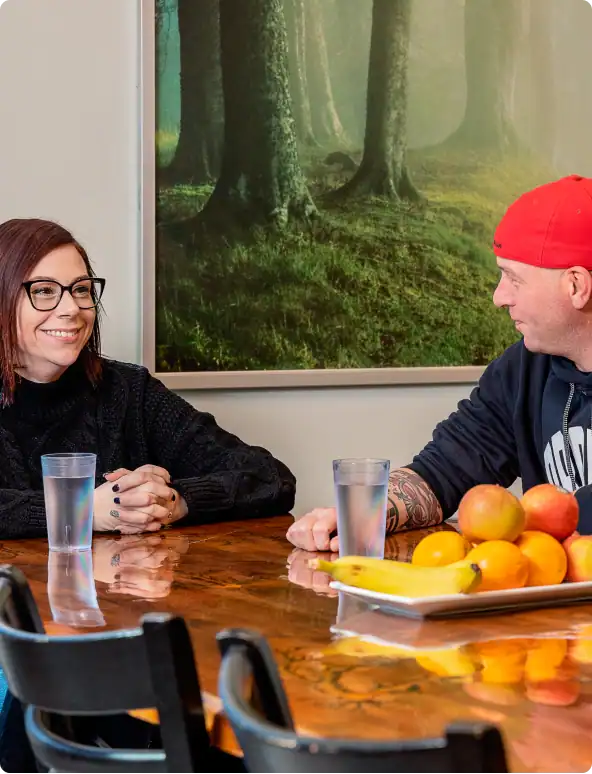
Completing medical detox is an essential initial step, but it is part of a process that takes time and commitment. At Enlightened Recovery Detox, we make sure you know what comes next before you leave our facility. For many people, the natural next step is our residential program, where medical care, group therapy, holistic treatment, and continued MAT support carry forward the progress made during detox. No prescription or outside referral is required to get started; reach out to our admissions team to begin the process.
Our staff walks you through your options honestly and without pressure, helping you decide what makes the most sense for your situation. The weeks right after detox carry the highest risk of relapse, and stepping directly into a residential setting helps bridge that vulnerable gap. We answer practical questions about what to expect and how quickly admission into the next phase can happen. You will leave knowing exactly where you are going and who to call.
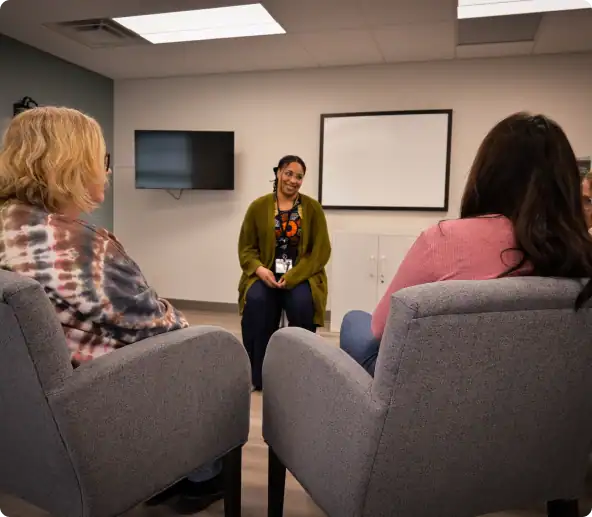
Getting help begins with a conversation among family members, and that involvement need not end at admission. We welcome the participation of loved ones throughout the process, while always respecting the right to privacy and personal autonomy. With your consent, our team provides updates and guidance to help family members understand withdrawal and their role in your progress. Keeping them informed makes the transition home smoother for everyone involved.
Addiction affects entire households, not just the person in active use, and we acknowledge that reality in how we approach family involvement. We offer education about what to expect after discharge, how to create a stable home environment, and where to find additional resources. Family members who understand what their loved one has been through are in a much better position to actually help. Having a strong network at home makes a meaningful difference in long-term outcomes.
Atlantic City is more than a backdrop to vibrant streets and coastal beauty—it’s a city that has seen its share of struggles, particularly with substance use trends that mirror national crises. According to the National Institute on Drug Abuse, New Jersey reported over 2,900 drug-related deaths in 2020, with opioids constituting a significant percentage of those fatalities (NIDA, 2021). These numbers remind us how critical it is for South Jersey communities to have accessible, compassionate care right here at home.
At Enlightened Recovery Detox, we have a tailored understanding of the unique challenges individuals in Atlantic City and the surrounding region face. What sets us apart?
Reaching out for help takes more courage than most realize. At Enlightened Recovery Detox, we meet that courage with clinical expertise, genuine compassion, and a real commitment to your healing. Our detox programs in New Jersey walk alongside you with honesty and without judgment, wherever you are starting from. You deserve to heal in a way that lasts. Contact us today and let our team help you find a path forward.